
By Coach Dean Moskowitz
The Parkinson's Foundation: The First Phone Call I Tell Every New Member to Make
Health information, not medical advice. Talk with your doctor before starting a new exercise program.
Quick answer: The Parkinson’s Foundation is the organization I point people to first, for one simple reason: their free Helpline — 1-800-4PD-INFO (1-800-473-4636) — is staffed to answer real questions about symptoms, medications, finding care, insurance, and local resources, in English and Spanish. Formed in 2016 by the merger of two long-standing national organizations, the foundation also runs care programs, a genetics study called PD GENEration, an enormous free library of educational material, and local chapters across the country. If you or someone you love was just diagnosed and you don’t know where to start — start here.
There’s a moment I’ve watched play out dozens of times in ten years of coaching. Someone new walks into class, and somewhere in the first conversation it comes out that since the diagnosis, they’ve been carrying every question alone — the medication questions, the “is this normal” questions, the insurance questions, the 2 a.m. questions. Nobody handed them a map.
So now I hand out the same map every time, and the first landmark on it is a phone number.
The Helpline: a real person, for free
1-800-4PD-INFO (1-800-473-4636). Write it down, stick it on the fridge. The Parkinson’s Foundation Helpline exists precisely for those carried-alone questions. You can ask about symptoms, treatment options, emotional health, finding a doctor who actually knows Parkinson’s, insurance headaches, and local programs — and the service is free, with help available in English and Spanish, plus an email option at contact@parkinson.org.
I want to underline what this replaces: hours of scary, contradictory Googling. One of the kindest things you can do for a newly diagnosed person is give them a number where a knowledgeable human answers. This is that number.
Who they are — and where they came from
The Parkinson’s Foundation as it exists today was formed in August 2016 when two venerable organizations merged: the National Parkinson Foundation and the Parkinson’s Disease Foundation — both with histories reaching back decades. The combined organization, headquartered in Miami and New York, is a 501(c)(3) nonprofit (EIN 13-1866796) with a mission to make life better for people with Parkinson’s through improved care and advanced research.
That merger matters more than corporate history usually does: it combined one organization’s strength in care standards with the other’s strength in research and education, which is why today’s foundation is unusually good at both.
What they actually offer (and how I’d use each piece)
Global Care Network. The foundation designates medical centers that meet high standards for Parkinson’s care — their care programs page helps you find expert care near you. If you’ve been managing Parkinson’s through a general practitioner alone, this is how you find a team that sees this disease every single day.
PD GENEration. A genetics initiative offering genetic testing for Parkinson’s-related genes plus genetic counseling. Knowing your genetic picture can matter for clinical trial eligibility — and it feeds the research that helps everyone.
The PD Library. An enormous, free collection of books, fact sheets, videos, and podcasts covering everything from newly-diagnosed basics to deep dives on specific symptoms. When members ask me a medical question that’s above my pay grade as a coach, this is where I send them — it’s written for humans, reviewed by experts.
The Hospital Safety Guide. This one’s underrated. People with Parkinson’s face real risks in hospitals — missed medication doses on a strict schedule can be genuinely dangerous. Their hospital safety resources help you and your care partner prepare before a planned (or unplanned) hospital stay.
Local chapters and events. Find your chapter for local education events, fundraising walks, and community connection.
Exercise guidance. Close to my heart: the foundation recommends at least 2.5 hours of exercise per week for people with Parkinson’s, and publishes exercise recommendations developed with exercise professionals. It’s a big reason programs like mine exist — I’ve broken down exactly what those guidelines say if you want the full picture.
Who this organization is best for
Everyone touched by Parkinson’s, honestly — but especially two groups. The newly diagnosed, because the Helpline plus the library plus the care network answers the “what now?” question better than any other single resource in the country. And care partners, because nearly everything above serves the person doing the helping just as much as the person diagnosed. (Care partners: I keep a whole Caregiver’s Corner of resources for you, too.)
How to reach them
- Helpline: 1-800-4PD-INFO (1-800-473-4636) — free, English and Spanish
- Email: contact@parkinson.org
- Website: parkinson.org
- Find local programs: parkinson.org — find your chapter
Put it to work: three moves this week
Knowing a resource exists and actually using it are different sports, so here’s the assignment version:
- Save the number right now. Open your phone, create a contact called “PD Helpline,” and enter 1-800-473-4636. Do it for your care partner’s phone too. The moment you actually need this number is precisely the moment you won’t have the energy to hunt for it.
- Make one call with one question. The Helpline isn’t only for emergencies or big scary questions — “is there a Parkinson’s-experienced physical therapist near me?” is a perfectly good reason to call. Making an easy call first means the harder call, if it ever comes, won’t be your first.
- Order or download one thing from the PD Library. My suggestion for newly diagnosed households: start with their materials for the newly diagnosed, and let your care partner pick something too. One good source beats forty browser tabs.
What I hear from members who’ve called
I want to add a piece of honest ground-truth, because a phone number on a website is an abstraction. Members of mine who’ve used the Helpline consistently report the same two things. First, surprise at how unhurried it felt — nobody rushing them off the line, room to ask the follow-up question behind the first question. Second, relief at getting an answer that wasn’t trying to sell them anything. In a world where searching any symptom turns up someone’s miracle supplement by result three, a free, knowledgeable, agenda-free voice is rarer than it should be.
One member put it in a way I think about a lot: “It was the first phone call about Parkinson’s that didn’t make my day worse.”
Clip-and-save summary: Free national Helpline at 1-800-4PD-INFO (473-4636), English and Spanish, plus email at contact@parkinson.org. Formed in 2016 from the merger of two long-standing national organizations. Best first call for the newly diagnosed, for finding expert care, and for care partners who need a knowledgeable human instead of another search engine. If you keep one number from this whole series, keep this one.
The bigger team
No single organization covers everything, and the Parkinson’s Foundation fits into a larger picture: the Michael J. Fox Foundation drives research funding, the APDA runs grassroots local programs, and specialized outfits like the Parkinson Voice Project go deep on one symptom. I’ve profiled all of them so you can find your fit.
And if you’re anywhere near Los Angeles or Ventura County, my corner of this fight is movement: non-contact boxing classes where people with Parkinson’s train balance, strength, and confidence — seated or standing. Your first class is free, and our free monthly support group on Zoom is open wherever you live.
Make the call. Then come hit some pads.
Sources
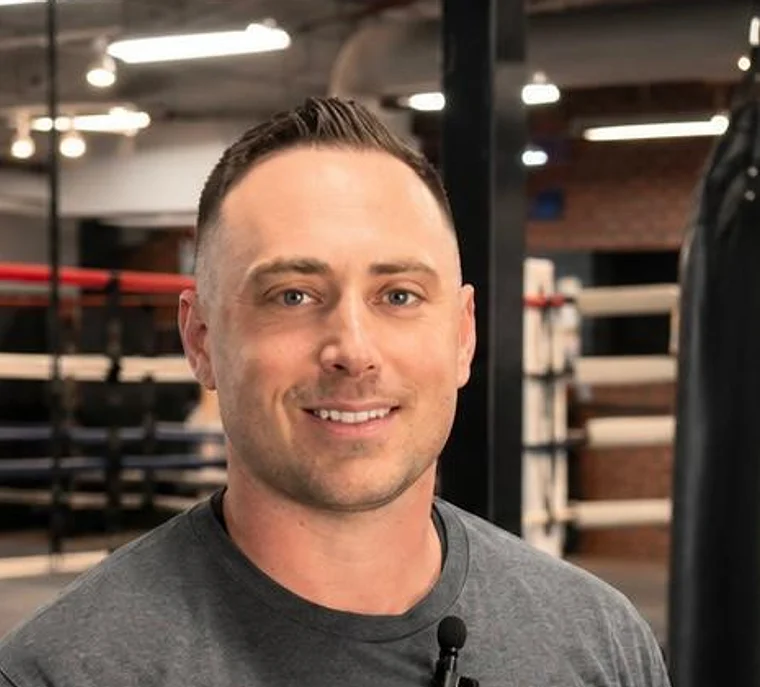
Coach Dean Moskowitz
Owner / Coach, Boxing for Balance — 500+ people with Parkinson's coached