
Non-contact boxing for seniors & Parkinson'sBuild balance, strength & confidence
A fun non-contact boxing program to help you move better, feel steadier, and stay stronger for life — in person across Los Angeles, the San Fernando Valley & Ventura County, or online from home.
First class free · Seated or standing · All ability levels
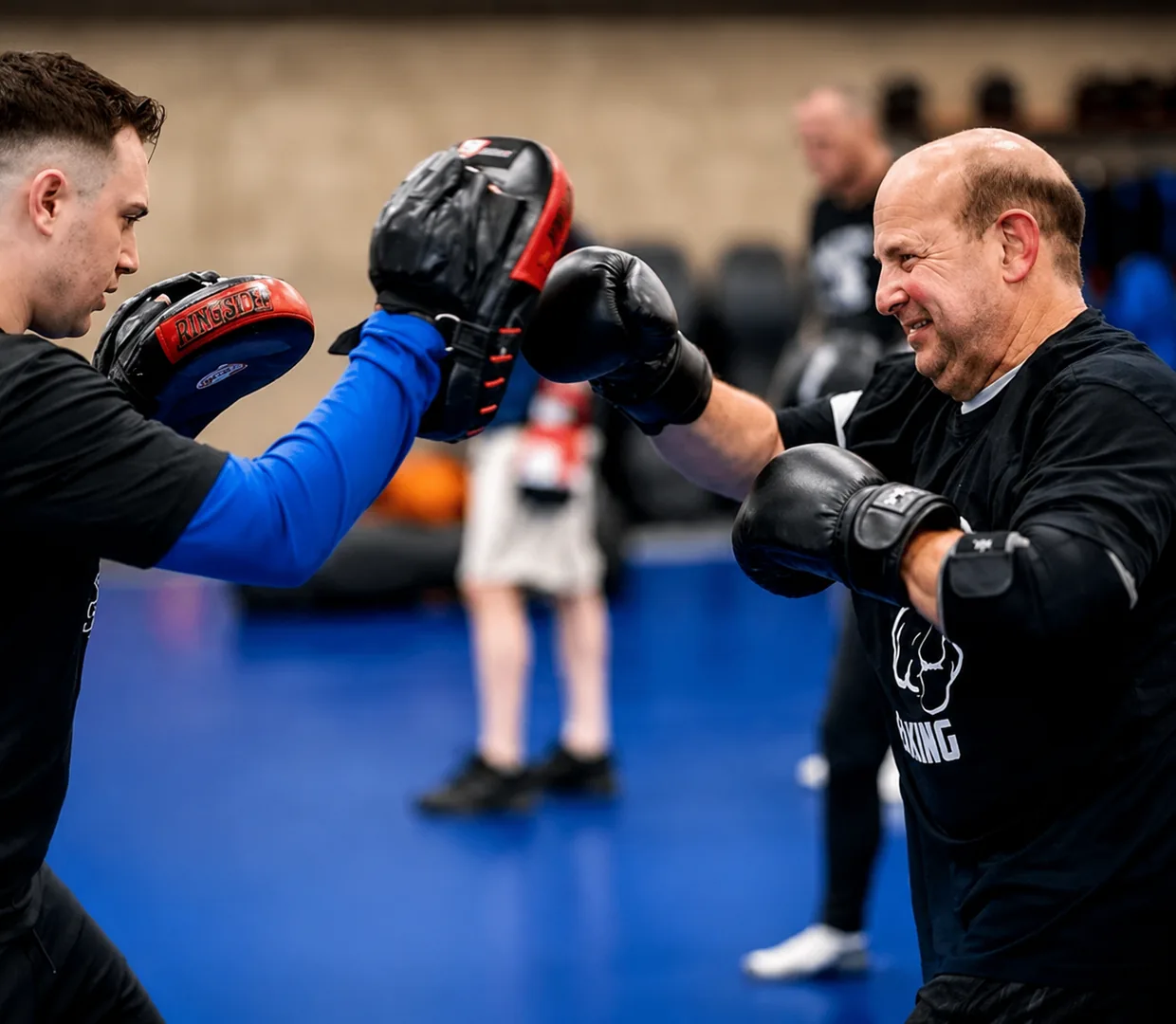
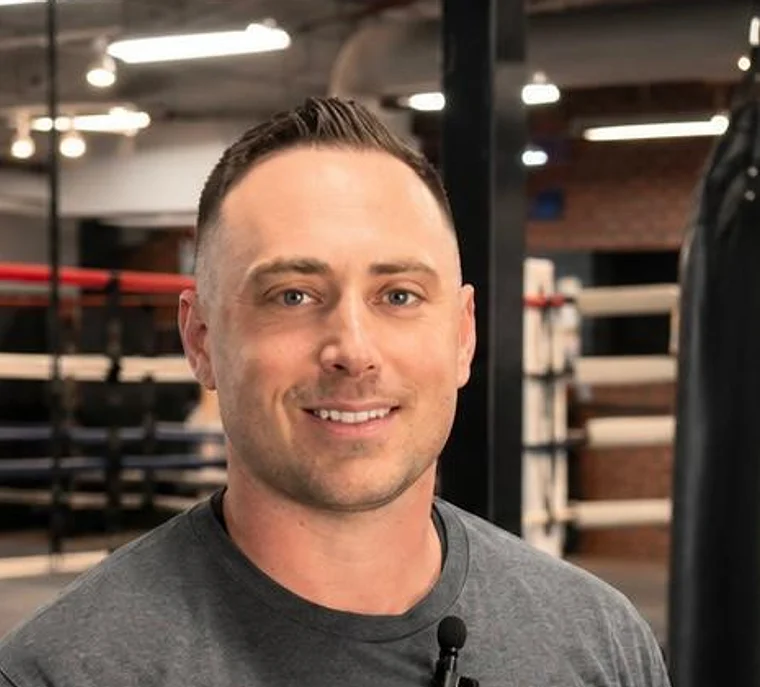
Coach Dean MoskowitzOwner / Coach
Choose your program
Train the way that
fits your life
From your living room to our four gyms — every program is built around balance, strength, and confidence, and every exercise can be modified for you.
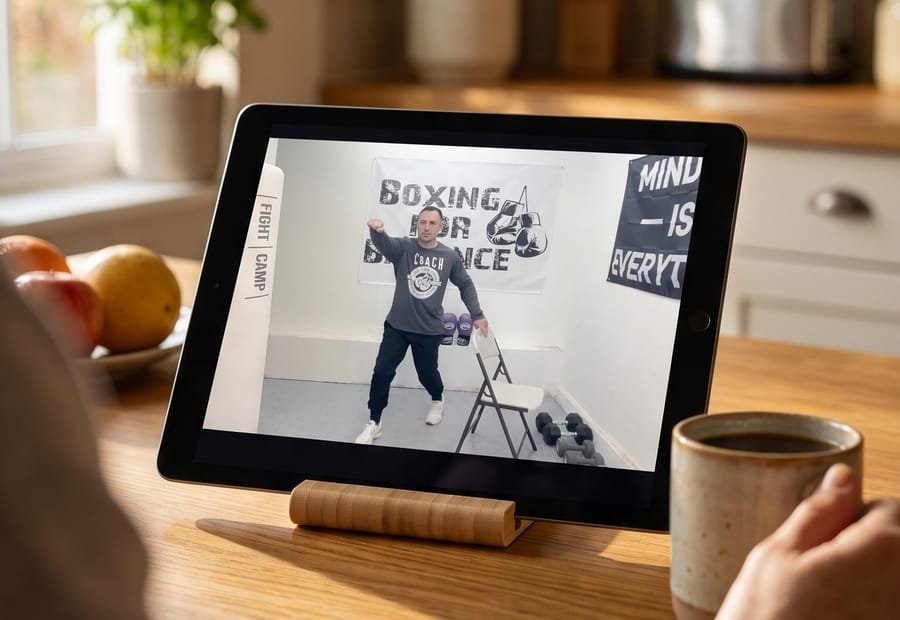 01 Online Video Program
 Guided workouts you can do anytime, anywhere — led by Coach Dean.
Learn more →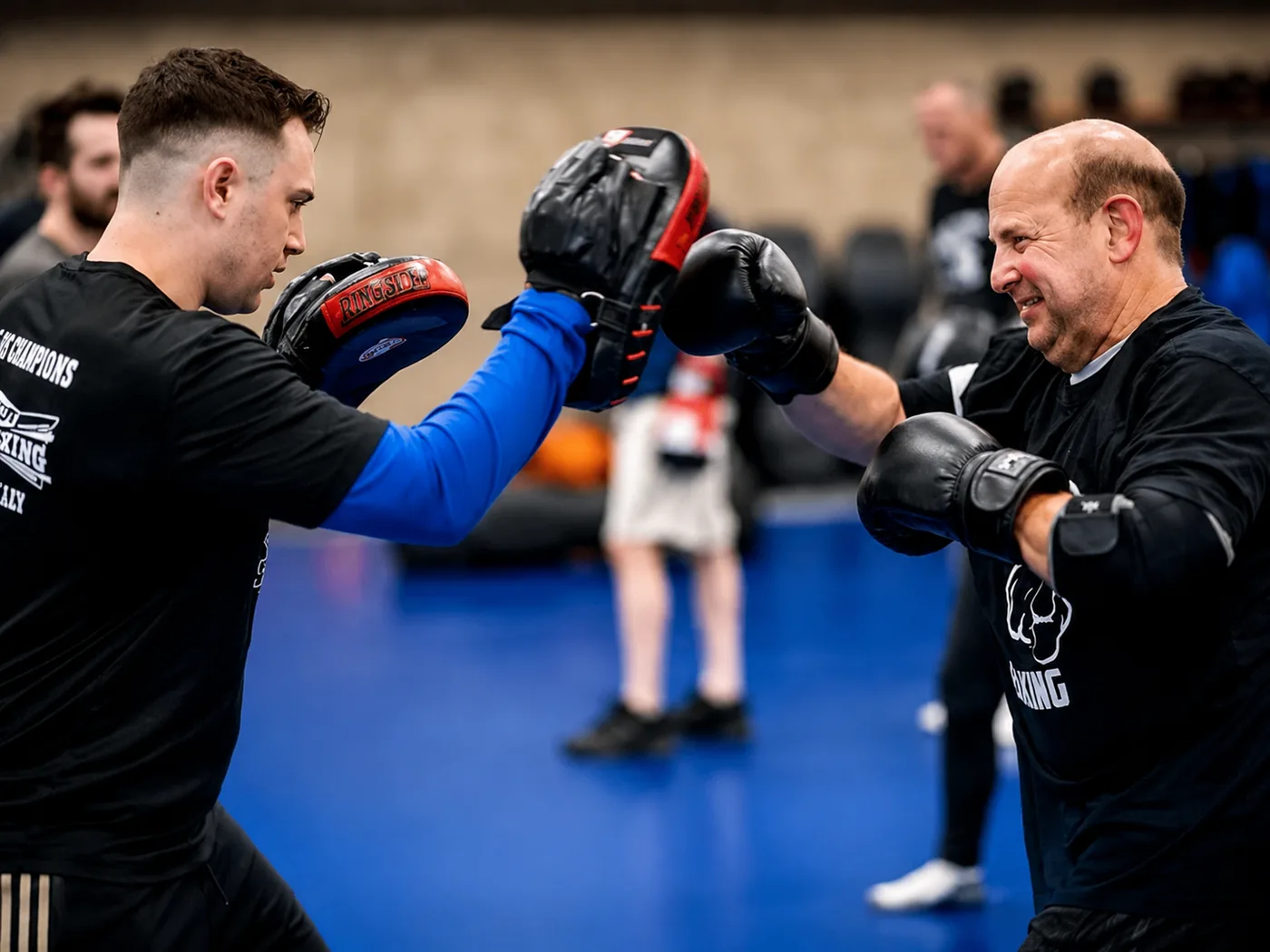 02 Parkinson's Group Classes
 In-person classes at our four official Rock Steady Boxing® gyms across LA & Ventura County.
Learn more →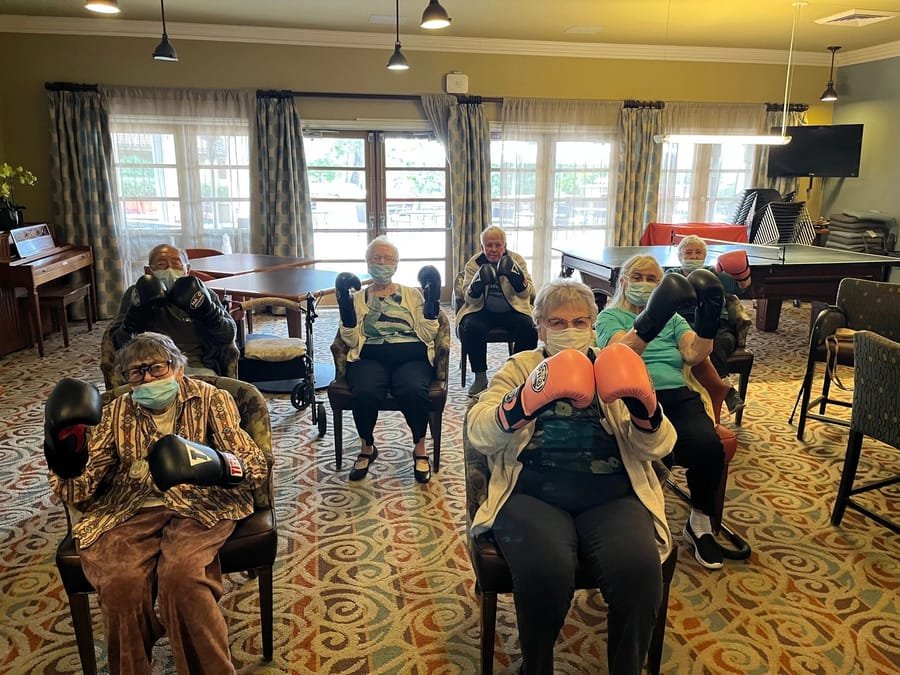 03 Assisted Living
 Seated, on-site classes for senior communities — ages 62 to 100+.
Learn more →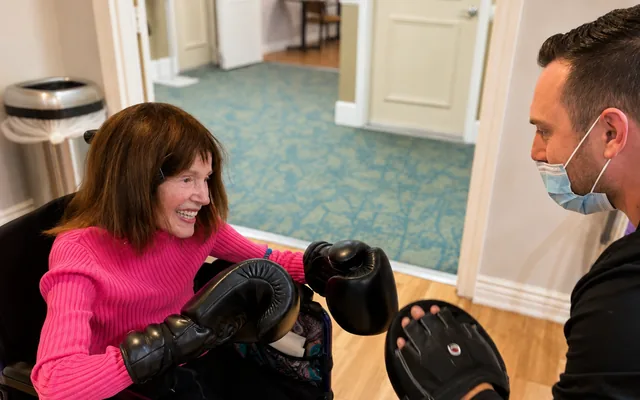 04 Private Training
 One-on-one coaching at our gym, in your home, or virtually.
Learn more →Why Boxing for Balance
Move better. Feel stronger.
Stay independent.
Our boxing-inspired exercise programs are designed specifically for seniors and people living with Parkinson's. Every class is non-contact, goes at your own pace, and can be done seated or standing.
- Improve balance
- Build strength
- Increase mobility
- Boost confidence
- Stay active
- Stay independent
500+
People with Parkinson's coached
10yrs
Coaching seniors & Parkinson's
4
Locations in LA & Ventura County
62–100+
Ages we train every week
The part nobody prescribes
Nobody fights this
alone in here
Parkinson's shrinks a person's world quietly. Friends stop calling because they don't know what to say. Driving gets harder. The invitations thin out. Most people Dean meets have been carrying it alone for a while before they walk through the door.
Then something happens in the first class that has nothing to do with boxing: somebody laughs. Somebody else says "mine does that too." They stay in the parking lot talking afterward. That room — people fighting the same fight, on the same morning — turns out to be part of the medicine.
It isn't only a Parkinson's finding. Pooling 148 studies covering more than 308,000 people, researchers found those with stronger social relationships had a 50% greater likelihood of survival. Connection belongs on the list of things we treat as medical.
What the research found
55%
greater symptom severity reported by people with Parkinson's who said they were lonely, compared with those who weren't.
21%
fewer symptoms reported by those who said they had a lot of friends, compared with few or none.
Survey of people with Parkinson's, npj Parkinson's Disease, 2020. The researchers' own caveat: it isn't clear whether isolation worsens the disease or the disease drives isolation — likely both. Their recommendation didn't depend on the answer.
Real stories. Real results.
"I feel stronger, more stable, and more confident in my everyday activities than I did before starting the program. Boxing for Balance has become an important part of helping me stay active and independent."
Shirley L. · Boxing for Balance member
Trusted by senior living communities
Coach Dean brings on-site boxing and balance classes to senior living and memory care communities across Los Angeles, the San Fernando Valley, and Ventura County — and his video program and certified coaches serve communities as far away as Washington State — including:
- Atria Senior Living
- Belmont Village Senior Living
- Brookdale Senior Living
- Ivy Park Senior Living
- The Commons at Chatsworth
- The Reserve at Thousand Oaks
- The Ridge Luxury Senior Living
- The Variel of Woodland Hills
- The Vered of Encino
- The Village at NorthRidge
- Welbrook Memory Care
- Emerald Heights (Redmond, WA)
- Silverado Memory Care
Online Video Program
Train with Coach Dean
from anywhere
On-demand Parkinson's workouts you can follow at home — seated or standing, with 2 new workouts added every week. As featured by the Parkinson's Foundation.
$9.99
First month · offer ends soon
Then $99/month · cancel anytime
7-day money-back guarantee
Meet your coach
Coach Dean
Moskowitz
"Parkinson's comes in many different forms, but one thing is true for all: movement is medicine. Fighting Parkinson's doesn't have to be done alone — here, we are a team. And this team quickly becomes a family."
- A lifetime of martial arts — a former MMA fighter himself
- Creator of the Boxing for Balance program and method
- 500+ people with Parkinson's coached over the last decade
See us in action
Meet Dean — and watch a real workout
Before your first class, meet Dean the way his members did — then watch the Parkinson's Foundation's own video of a real Boxing for Balance class.
Meet Coach Dean
Featured by the Parkinson's Foundation
Your first class is free — seated or standing, all ability levels
Questions people ask