
By Coach Dean Moskowitz
The American Parkinson Disease Association: Sixty Years in Your Corner
Health information, not medical advice. Talk with your doctor before starting a new exercise program.
Quick answer: The American Parkinson Disease Association (APDA) is one of the oldest Parkinson’s organizations in the country — founded in 1961, it has raised and invested more than $338 million in patient services, education, public awareness, and research. Its superpower is being local: a network of chapters across the country delivering support groups, education programs, and community events where people actually live. National reach, neighborhood presence. Their number is 1-800-223-2732, and their information line and local chapters are free to use.
Sixty-plus years. Before there were viral awareness campaigns, before celebrity foundations, before the internet existed to search your symptoms on — there was a small group of people in New York who decided families dealing with Parkinson’s shouldn’t have to deal with it alone.
I find that history genuinely moving, so let’s start there. Because when an organization has been at this work since the Kennedy administration, the question isn’t whether they’re legitimate — it’s how to plug into everything they’ve spent sixty years building. That’s what this guide is for: what APDA does, who it serves best, and the three moves I’d make this week if I were you.
From one family’s grief to a national network
According to APDA’s own history, the organization filed for incorporation in New York on November 22, 1961 — originally under the name the Ada I. Hursch Parkinson Disease Foundation. From that beginning it grew into the American Parkinson Disease Association, and over six decades it has raised and invested more than $338 million toward patient services, educational programs, public awareness, and research support.
That’s not the flashiest number in the Parkinson’s world — the Michael J. Fox Foundation’s research war chest is bigger. But dollars don’t tell the story here. APDA’s value is where it shows up: in cities and towns, through real humans running real programs, year after year.
What APDA actually offers
Local chapters — the heart of the whole thing. APDA maintains chapters across the country, and this is what I recommend most. Your local chapter is where you find in-person support groups, education events, exercise class listings, and other families walking the same road. National organizations can feel abstract; a chapter twenty minutes from your house does not.
Information and referral. Their national line — 1-800-223-2732 — and email (apda@apdaparkinson.org) connect you with resources and answers. Not sure what’s available in your area? That’s exactly the call to make.
Education you can actually read. APDA publishes a deep library of plain-language materials on symptoms, treatment, and living with Parkinson’s, including a strong Spanish-language collection. Their materials on early-onset Parkinson’s are among the best I’ve seen — a topic plenty of organizations underserve.
Research support. Through its national research program and Centers for Advanced Research, APDA funds scientists working toward better treatments and, ultimately, a cure. Their site notes some sobering context for why: an estimated 1 million people in the U.S. are living with Parkinson’s, with someone new diagnosed every six minutes.
Public policy. APDA also works on policy solutions that improve lives for the Parkinson’s community — the unglamorous, necessary work of making systems serve patients better.
Who APDA is best for
If I had to pick one word: connectors. APDA shines for people who want local, in-person community — support groups you can drive to, events where you meet the same faces twice, programs your care partner can attend with you. If the big national resources feel impersonal, the chapter model is the antidote.
It’s also a strong fit for families navigating early-onset Parkinson’s, given their focused resources there, and for Spanish-speaking families, who are too often an afterthought elsewhere.
How to reach them
- Phone: 1-800-223-2732
- Email: apda@apdaparkinson.org
- Website: apdaparkinson.org
- Find your chapter: apdaparkinson.org/community
- Mail: PO Box 61420, Staten Island, NY 10306
APDA is a 501(c)(3) nonprofit, and their financial reports are posted publicly — a transparency habit I respect and always check for.
Put it to work: three moves this week
The assignment version, because a resource you don’t use is just trivia:
- Find your chapter. Go to their community page, locate the chapter serving your area, and — this is the important part — actually note what they have coming up. Chapters run on participation; the calendar is where the organization stops being a website and starts being people.
- Call with your hardest “where do I find…” question. 1-800-223-2732. Whatever you’ve been unable to find locally — a support group that meets evenings, an exercise program, a doctor who listens — the information-and-referral line exists for exactly that hunt.
- If Spanish is your family’s language, share their Spanish-language materials. This is one of APDA’s quiet strengths, and in my corner of Los Angeles it matters enormously. A diagnosis is hard enough in your first language; good information shouldn’t require your second.
What sixty years of showing up teaches
Here’s the thing about longevity in this space that I’ve come to appreciate as a coach. Organizations, like people, reveal themselves over time — funding fashions change, awareness waves crest and recede, and what’s left standing afterward is whoever kept doing the unglamorous work. APDA has been holding support groups and answering phones since before most of today’s Parkinson’s treatments existed. Multiple generations of the same families have used their programs.
That kind of institutional patience mirrors something I tell my members about training: flashy doesn’t win this fight, consistent does. The organization that shows up every year for six decades is running the same playbook as the member who shows up every Tuesday for six years. And in both cases, the compounding is the point — every support group meeting, every referral call, every educational pamphlet is a small deposit in a sixty-year account the whole community draws on.
Clip-and-save summary: Founded 1961; more than $338 million raised and invested for the Parkinson’s community since. Call 1-800-223-2732 or email apda@apdaparkinson.org to find your local chapter, in-person support groups, and education programs — with notably strong early-onset and Spanish-language resources. The pick for people who want their support local, human, and recurring.
How it fits with the rest of your team
Think of the major organizations as playing positions. The Parkinson’s Foundation runs the best free helpline and care network. The Fox Foundation drives the research money. Outfits like the Davis Phinney Foundation specialize in the daily art of living well. APDA holds down the local ground game. You don’t have to pick one — the smart move is to take what each does best.
And in my gym, the local ground game looks like this: gloves on, music up, a room full of people refusing to let Parkinson’s set the pace. If you’re in the LA or Ventura County area, your first class is free — seated or standing, all levels. Wherever you are, our free monthly Zoom support group has a chair open.
Sixty years ago, somebody decided no family should face this alone. Every one of us working in this community today — coaches included — is carrying that same idea forward.
Sources
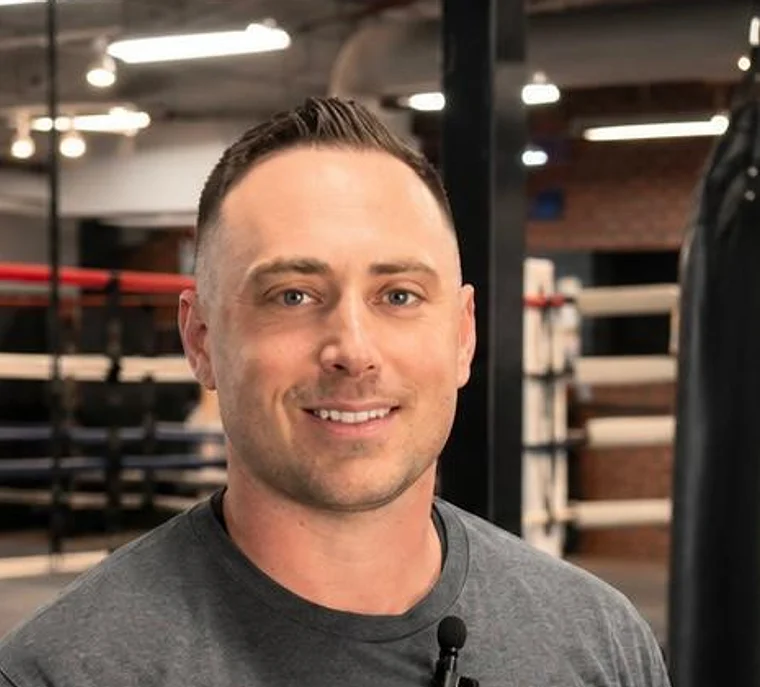
Coach Dean Moskowitz
Owner / Coach, Boxing for Balance — 500+ people with Parkinson's coached