
By Coach Dean Moskowitz
The Brian Grant Foundation: Exercise-First Help From a Man Who Lives It
Health information, not medical advice. Talk with your doctor before starting a new exercise program.
Quick answer: The Brian Grant Foundation was founded in 2010 by Brian Grant, a 12-year NBA veteran who was diagnosed with young-onset Parkinson’s in 2008, at age 36. Its mission, in the foundation’s own words, is to “empower people impacted by Parkinson’s disease to lead active and fulfilling lives” — and it delivers on that with some of the best free exercise and nutrition resources in the Parkinson’s world: workout guidance, healthy-eating education, mindfulness tools, and regular expert webcasts. Of every organization I’ve profiled, this is the one whose mission overlaps most with what I do in the gym — which is exactly why I want you to know about it.
Some organizations in this series I recommend as a coach pointing at a resource. This one I recommend as something closer to a colleague — because of every group I’ve profiled, from the research giants to the local networks, this is the foundation whose daily work looks most like mine: getting people with Parkinson’s moving, eating well, and believing in their own bodies again. The Brian Grant Foundation and programs like mine are working the same corner of the fight: the conviction that movement changes the experience of this disease.
Six-foot-nine and facing the same opponent
Brian Grant spent 12 seasons in the NBA, playing for five teams and building a reputation as one of the league’s toughest rebounders. In 2008, two years after retiring, he was diagnosed with young-onset Parkinson’s at 36.
Read that age again. Thirty-six. One of the most physically dominant athletes in the world’s most athletic league. If you’ve ever caught yourself thinking Parkinson’s only comes for the elderly or the inactive, Brian Grant’s story ends that idea — and I’ve watched it land hard, in a good way, with my younger members and with the adult kids of older ones.
What he did next is the part I admire. As his foundation tells it, Grant went looking for resources to help him use exercise and nutrition to manage his symptoms and get on with living — and found the landscape thinner than it should be. So in 2010 he founded the organization to build what he couldn’t find.
What they offer — and it’s free
The foundation organizes its resources around three plain-spoken pillars:
Get Active — exercise guidance built for Parkinson’s. Workout resources, exercise classes, and practical guidance on training with PD across fitness levels. If you can’t get to a specialized class in person, this is one of the best places on the internet to start moving anyway. (And if you can get to one — I know a guy.)
Eat Well — nutrition education for people with Parkinson’s: cooking and healthy-eating resources grounded in the reality that what you eat affects energy, medication timing, and how you feel day to day. Genuinely underserved topic, handled well.
Be Mindful — tools for the mental and emotional side: stress, mood, and mindset. Anyone who’s read my posts on apathy and loneliness knows I think this side of Parkinson’s deserves far more attention than it gets.
Webcasts. The foundation runs a steady calendar of expert webcasts — recent topics on their blog range from the gut-brain connection to how the arts help people with PD. Free to attend, archived to watch later.
Who this foundation is best for
Three groups, in my experience. People with young-onset Parkinson’s — Grant’s story and the foundation’s energy speak directly to people diagnosed decades before they expected to face this. Self-directed exercisers — if you’re motivated but need Parkinson’s-specific guidance for home workouts, their Get Active resources are gold. And honestly, anyone whose eyes glaze over at medical-speak — the foundation communicates like a locker room, not a lecture hall, and some people simply hear that language better. I coach a room full of them.
How to reach them
- Website: briangrant.org
- Address: 650 NE Holladay Street, Suite 1600, Portland, OR 97232
- Newsletter: sign up on their site — it’s how they announce webcasts
The foundation is a 501(c)(3) nonprofit (EIN 27-1628944), verifiable through ProPublica’s Nonprofit Explorer.
Put it to work: three moves this week
Coach’s orders:
- Bookmark their exercise resources and try one thing. Not a whole program — one warm-up, one video, one session. Their exercise-at-home resources are a fine starting point if getting to a class isn’t in the cards this week.
- Steal one recipe. Go to Eat Well, pick something that looks good, and cook it. Nutrition advice becomes real the first time it tastes like dinner instead of homework — and if a care partner cooks with you, that’s the whole family’s evening improved by a nonprofit in Portland.
- Sign up for one webcast. Their blog and events calendar lists what’s coming. Attending live beats the archive for one reason: you can ask your actual question.
The young-onset conversation nobody prepares you for
I want to sit on the young-onset point a moment longer, because Brian Grant’s story serves a group my other organization profiles serve least well.
When someone is diagnosed in their thirties or forties, nearly every resource they encounter assumes they’re seventy. The brochures show gray hair. The support group meets at 2 p.m. on a workday. The exercise modifications assume frailty rather than a body that was running full-court eighteen months ago. I’ve coached young-onset members, and the recurring wound isn’t the symptoms — it’s the feeling of being handed a life stage along with a diagnosis.
A foundation fronted by a man who was rebounding against Shaquille O’Neal within recent memory speaks a different language to those folks. The message under every resource is: you are still an athlete; the sport changed. If you know someone diagnosed young who’s bounced off every Parkinson’s resource they’ve touched, send them Grant’s story before you send them anything clinical. Sometimes the messenger is the medicine.
Clip-and-save summary: Founded 2010 by 12-year NBA veteran Brian Grant after his own young-onset diagnosis at 36. Free exercise, nutrition, and mindfulness resources at briangrant.org, plus regular expert webcasts. The pick for young-onset families, self-directed exercisers, and anyone who hears locker-room language better than lecture-hall language. That last group includes most of my gym.
Two programs, one conviction
Here’s what I’d tell Brian Grant if he ever walked into my gym (after asking for a picture — I’m human): we’re proving the same thing from different angles. His foundation shows people why and how to make exercise part of managing Parkinson’s. Programs like mine give them a room, a coach, and a community to actually do it in, week after week — because the hardest part isn’t knowing exercise helps, it’s staying consistent.
So use both. Dig into the foundation’s free resources tonight. And if you’re anywhere near Los Angeles or Ventura County, come throw hands with us — non-contact, seated or standing, first class free. For the rest of the fight card, my guides to the Parkinson’s Foundation, the Davis Phinney Foundation, and the Michael J. Fox Foundation cover who does what.
Sources
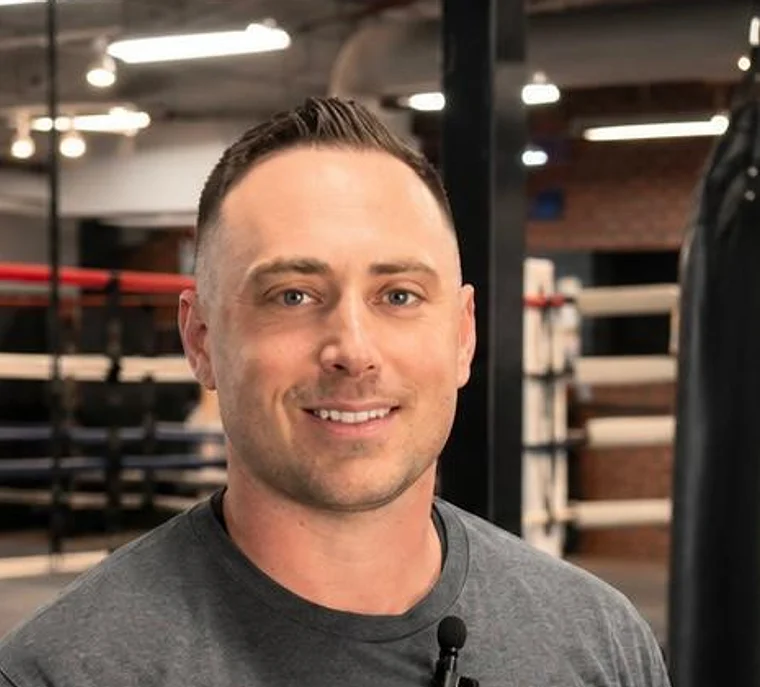
Coach Dean Moskowitz
Owner / Coach, Boxing for Balance — 500+ people with Parkinson's coached