
By Coach Dean Moskowitz
Low Impact Exercise for Seniors: 8 Joint-Friendly Picks
Health information, not medical advice. Talk with your doctor before starting a new exercise program.
Quick answer: Low impact exercise keeps at least one foot on the ground (or takes weight off your joints entirely, like water exercise) so there is no jarring or pounding. The best options for older adults are walking, water aerobics, cycling on a stationary bike, tai chi, chair exercise, non-contact boxing, strength work with bands, and dancing. All of them count toward the 150 weekly minutes of activity the CDC recommends.
“Low impact” does not mean “low results.” It means no pounding — no jumping, no jarring landings, nothing that makes your knees file a complaint the next morning. One foot stays on the ground, or the water carries your weight for you.
That distinction matters, because the biggest exercise mistake older adults make is not choosing the wrong workout. It is doing nothing, often because the workouts they remember from decades ago — running, aerobics classes, gym machines built for 25-year-olds — sound painful now. They might be. These eight are not, and every one of them counts toward the CDC’s target of 150 minutes of moderate activity a week.
1. Walking — still the champion
Free, familiar, and effective. A brisk 20-minute walk five days a week hits half your weekly activity target by itself. “Brisk” means you can talk but you would not want to sing.
Make it easier on your body: supportive shoes, flat routes to start, and a walking buddy — for company and for confidence. If the weather or the sidewalk is against you, malls open early for walkers in most cities, and they are climate-controlled with benches every hundred feet.
2. Water aerobics and pool walking
Water carries most of your body weight, which makes it the single kindest environment for sore knees, hips, and backs. At the same time, water pushes back against every movement, so you are strengthening muscles the entire session. People who have not exercised comfortably in years often find they can move in a pool without pain. Many community pools and YMCAs run classes specifically for older adults.
3. Stationary cycling
All the heart and leg benefits of biking with zero balance risk and zero traffic. Recumbent bikes — the ones with a chair-like seat and back support — are especially comfortable if regular bike seats bother you. Start with 10 minutes at an easy pace and add a few minutes each week.
4. Tai chi
Slow, flowing movements that quietly train balance, leg strength, and calm focus. The evidence for tai chi and fall prevention is strong, and classes for beginners are common at senior centers. It looks gentle because it is gentle. It works anyway.
5. Chair exercise
Everything from marching to rowing to boxing punches can be done from a sturdy chair, and research shows seated programs build real arm and leg strength. If standing exercise feels out of reach right now, this is your starting line — we wrote a full guide with nine chair exercises.
6. Non-contact boxing
This one surprises people. Boxing training — without any hitting or being hit — is punching the air or pads, stepping, shifting weight, and reacting. It trains coordination, balance, core strength, and heart health all at once, and it can be done standing or seated. It is also genuinely fun, which matters more than any of us like to admit: the best exercise is the one you look forward to.
It is what we teach every day at Boxing for Balance, in group classes across Los Angeles and Ventura County, at all ability levels.
7. Strength training with bands or light weights
Low impact does not only mean cardio. Resistance bands, light dumbbells, or your own body weight (think sit-to-stands and wall push-ups) protect the muscle you have and rebuild what you have lost. The CDC recommends strength work at least two days a week, and it pairs with any cardio option on this list.
8. Dancing
Ballroom, line dancing, or the kitchen-radio variety. Dancing mixes movement, memory, music, and other people — a combination that is hard to beat for both body and mood. Judging by our members, it is also the option most likely to actually happen on a gray Tuesday.
How to choose (and how to start)
| If this sounds like you… | Start with |
|---|---|
| “My joints hurt even walking” | Water aerobics or chair exercise |
| “I’m steady but out of shape” | Walking + two days of band work |
| “I’m worried about falling” | Tai chi or a seated program, building to balance work |
| “I’m bored by exercise” | Dancing or non-contact boxing |
| “I want structure and coaching” | A group class made for older adults |
Whatever you pick, the starting rule is the same: begin with less than you think you can do. Ten minutes. Then stop while it still feels good. The goal of your first two weeks is not fitness — it is building the habit of showing up. Fitness follows the habit, never the other way around.
And expect some days to feel harder than others. Sleep, weather, medications, and plain life all move the needle. A slow day is not a failed day. Showing up slowly still counts.
A word if you are starting from zero
If it has been years — or decades — since you exercised, that is okay. Truly. Your body did not forget how to adapt; it has been waiting. In exercise research on older adults, some of the biggest gains show up in the people who start from the least. You have the most to gain in the room.
Check with your doctor first if you have heart disease, uncontrolled blood pressure, or you are recovering from illness or surgery. Then pick the gentlest thing on this list that sounds even slightly appealing, and do ten minutes of it this week.
Frequently asked questions
Is low impact exercise enough to actually get fit? Yes. Intensity is about effort, not impact. A brisk water aerobics class can work your heart as hard as a jog, without the joint stress. The CDC’s 150-minute target can be met entirely with low impact activity.
How many days a week should I exercise? Most days is the ideal, but three days is a strong start. Mix cardio (walking, water, cycling, dancing) with two days that include strength work.
What about swimming — is it missing from this list? Lap swimming is excellent if you already swim. We listed water aerobics instead because it needs no swimming skill and classes provide structure and company.
Can people with Parkinson’s do these? Yes — and exercise is strongly recommended for Parkinson’s. Several options here, including non-contact boxing and cycling, are studied specifically for Parkinson’s — see our guide to the best exercises for Parkinson’s.
Dean Moskowitz is the head coach at Boxing for Balance. He has spent more than ten years coaching older adults and over 500 people with Parkinson’s across Los Angeles and Ventura County.
Sources: CDC — Physical activity for older adults · WHO physical activity guidelines
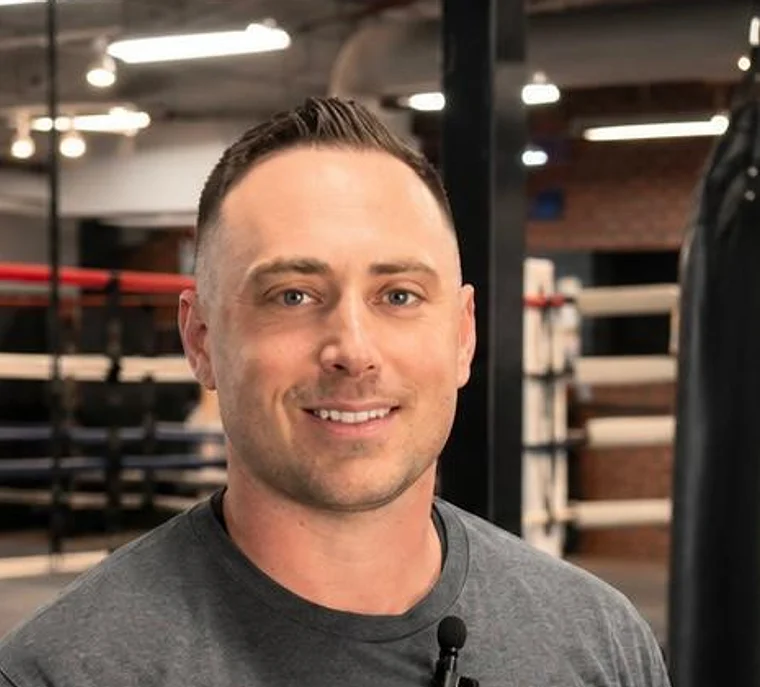
Coach Dean Moskowitz
Owner / Coach, Boxing for Balance — 500+ people with Parkinson's coached